Almost every website I found before moving gave the same answer: "Living costs in Hungary are around €500–800 per month." While that isn't completely wrong, it also isn't very helpful.
I wanted answers to real questions: Is Hungary expensive for students? How much does food actually cost? Where do international students buy groceries? Can I find halal meat? Is Budapest cheaper than Debrecen? Will the Stipendium Hungaricum stipend be enough?
This guide combines my own experience with current prices and practical tips to help you plan your budget before moving to Hungary.
Disclaimer
Prices mentioned in this guide are based on my personal shopping experience in Hungary and may vary depending on the city, supermarket, promotions, and inflation. Always expect small price changes over time.
Is Hungary Expensive for International Students?
Compared to countries like Germany, the Netherlands, Ireland, or the UK, Hungary is still one of the more affordable study destinations in Europe.
However, your monthly expenses depend on three main things:
- Whether your accommodation is covered by a scholarship
- Whether you cook at home or eat out frequently
- Which city you live in
For example, a Stipendium Hungaricum student living in a university dormitory and cooking most meals can spend significantly less than a self-funded student renting a private apartment in Budapest.
Personally, I rarely eat outside because cooking at home is much cheaper. If you cook regularly and manage your spending wisely, Hungary can be a very affordable country to live in.
How Much Does It Cost to Live in Hungary Per Month?
One question I receive frequently from students is: "How much money do I actually need every month?" Here's a realistic estimate based on student life.
| Expense | Estimated Monthly Cost |
|---|---|
| Food & groceries | 40,000–70,000 HUF |
| Public transport | 3,000–10,000 HUF |
| Mobile phone | 3,000–6,000 HUF |
| Entertainment | Depends on lifestyle |
| Personal shopping | Varies |
If you're renting privately, you'll also need to include rent and utilities, which vary greatly depending on the city and apartment. For me, groceries are by far the biggest monthly expense because I cook most of my meals instead of eating fast food.
Is Budapest More Expensive Than Debrecen?
Most websites simply say "Budapest is more expensive." That's only partly true. After living in Debrecen and regularly visiting Budapest, I've noticed something interesting.
Imported Asian Products Are Usually Cheaper in Budapest
If you're from Bangladesh, India, Pakistan, Nepal, or another South Asian country, you'll probably miss familiar foods like basmati rice, lentils, spices, halal meat, tea, instant noodles, and snacks.
These products usually arrive in Budapest first before being distributed to smaller cities. Because of transportation costs, prices naturally increase when they reach cities like Debrecen. Sometimes the difference is only a few hundred forints, but when you're buying groceries every month, those small differences add up.
Many international students actually travel to Budapest once every few weeks or once a month to buy groceries in bulk.
Hungarian Products Are Usually Cheaper Outside Budapest
On the other hand, everyday Hungarian products are often cheaper in smaller cities — things like eggs, milk, potatoes, onions, seasonal vegetables, and bread. In my experience, these are generally cheaper in Debrecen than in Budapest, and cities such as Miskolc can sometimes be even cheaper than Debrecen.
Budapest offers more variety, but smaller Hungarian cities can help you save money on everyday essentials.
Where Do International Students Buy Groceries in Hungary?
One thing that surprised me after moving here was how many shopping options there were. Depending on what you're looking for, you'll probably end up visiting different supermarkets.
Lidl
If I had to recommend just one supermarket to a new international student, it would probably be Lidl. It's one of the cheapest major supermarket chains in Hungary for everyday shopping — milk, fruits, vegetables, bread, pasta, yogurt, cheese, and frozen foods. Lidl also frequently offers weekly discounts, so it's worth checking their promotions before shopping.
SPAR
SPAR is another supermarket you'll find almost everywhere in Hungary. One reason many Muslim students visit SPAR is because it often sells Cocorico chicken, a halal-certified chicken brand widely available in many SPAR stores. Besides chicken, SPAR is also good for dairy products, drinks, fresh vegetables, snacks, and household essentials — though some items are slightly more expensive than Lidl.
Coop
You'll see Coop stores almost everywhere, especially in residential neighbourhoods and smaller towns. They're great when you need something quickly, but in my experience, prices are usually a little higher than Lidl for many everyday products. I mainly use Coop when it's the closest shop rather than for my weekly grocery shopping.
Can You Find South Asian Food in Hungary?
Before moving to Hungary, one of my biggest worries was whether I'd have to completely give up Bangladeshi food. Thankfully, that wasn't the case at all. In fact, Hungary — especially Budapest — has a surprisingly strong South Asian grocery community.
Whether you're looking for basmati rice, lentils, turmeric, cumin, coriander, frozen fish, halal meat, Bangladeshi snacks, Pakistani spices, or Indian ingredients, you'll be able to find almost everything.
The availability depends heavily on your city. Budapest naturally has the biggest selection, but even smaller student cities like Debrecen have developed international grocery options because of the growing foreign student population.
Kashmir Bazar: A Favourite Among South Asian Students
If you ask many Indian, Pakistani, Bangladeshi, or other South Asian students in Hungary where they buy their groceries, one name comes up frequently: Kashmir Bazar, an Indian grocery store in Budapest. It's one of the most popular places for South Asian groceries in the city — you can find things that are difficult to find in normal Hungarian supermarkets, including basmati rice, Pakistani and Indian spices, South Asian tea brands, snacks like Kurkure, frozen foods, halal meat, and other imported ingredients.
Many South Asian students visit places like Kashmir Bazar when they go to Budapest, sometimes buying enough groceries to last several weeks. The reason is simple: Hungarian supermarkets are excellent for Hungarian and European products, but if you want the taste of home, international stores are usually the better option. Kashmir Bazar also has a branch in Debrecen, making it easier for students who cannot travel to Budapest regularly.
Bangladeshi and South Asian Shops in Hungary
The South Asian community in Hungary is larger than many new students expect. For Bangladeshi students specifically, finding familiar products is becoming easier. In Budapest, you can find Bangladeshi grocery stores selling Bangladeshi spices, snacks, rice, tea, frozen products, and other everyday items from home. For many students, visiting these shops is not only about buying groceries — it is also about staying connected with their culture.
Chinese Markets in Budapest: Cheap Household Items and More
Another place many international students discover after arriving in Hungary is the Chinese market area in Budapest. This is not just one shop — it's an entire area with many Chinese-owned stores selling almost everything, from household items and kitchen tools to bicycle accessories, electronics accessories, clothes, decorations, and cheap daily-use products. Some shops even sell fresh products like live fish.
For students trying to set up their room or apartment on a budget, Chinese markets can save a lot of money. Things like bicycle lights, phone accessories, storage boxes, kitchen equipment, and cleaning items are often cheaper there compared to regular stores — especially noticeable in Budapest, where the Chinese shopping areas are much larger than what you find in smaller cities.
Asian Shopping Options in Debrecen
Although Budapest has the biggest international shopping scene, Debrecen is not left behind. For Asian ingredients, many students use Jó Asia Debrecen, which offers products like Asian sauces, noodles, rice, snacks, and cooking ingredients — considered one of the better Asian grocery options in the city. The Debrecen branch of Kashmiri Bazar also provides South Asian products and halal-related items for students who cannot travel to Budapest frequently.
Real Grocery Prices in Hungary (2026)
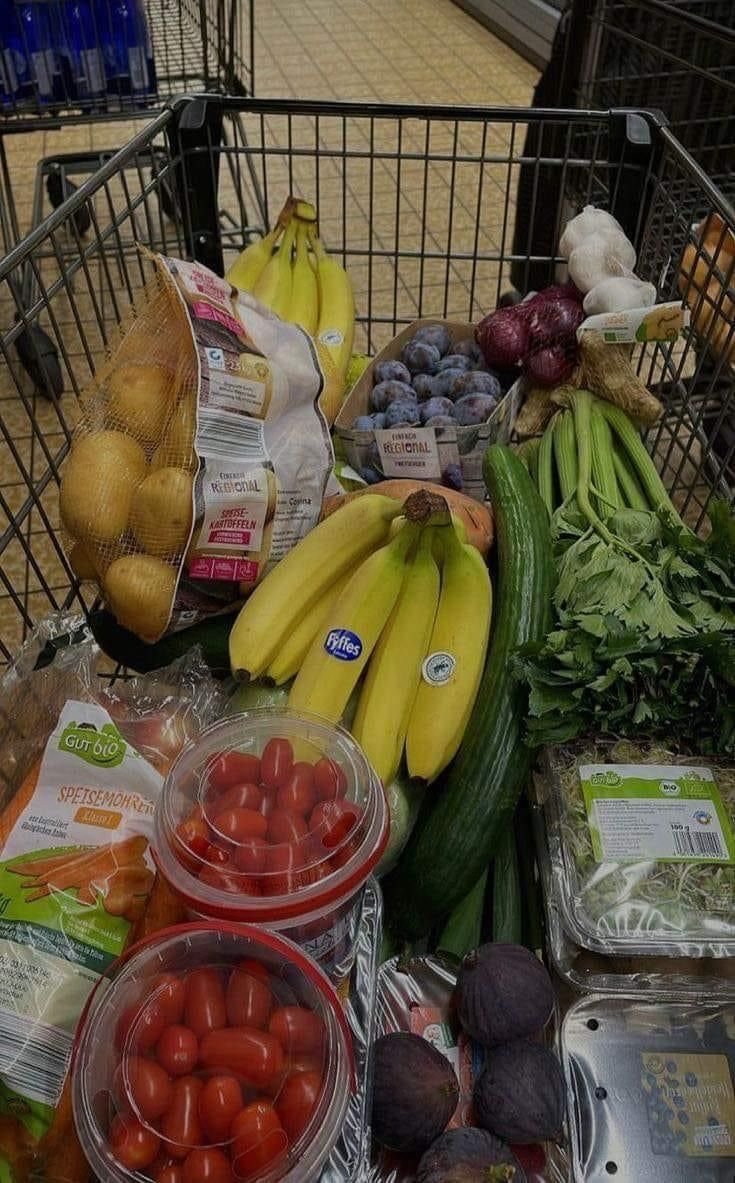
Here are some prices based on my personal shopping experience. Remember that prices change depending on promotions, brands, and inflation.
| Product | Approximate Price |
|---|---|
| Rice (1 kg) | 700–1,600 HUF |
| Basmati rice from South Asian shops | Around 5,000 HUF for larger packages |
| Milk | 280–1,200 HUF depending on type and brand |
| Eggs (10 pieces) | 600–1,000 HUF |
| Bananas (1 kg) | Around 600 HUF |
| Potatoes (1 kg) | 300–500 HUF |
| Onions (1 kg) | 300–500 HUF |
| Halal chicken | Depends on source and cut |
Where to Buy Different Types of Food?
One thing I learned after living here is that you should not buy everything from one supermarket. Different shops are good for different things.
- Lidl — best for milk, vegetables, fruits, bread, pasta, and everyday groceries.
- SPAR — best for general groceries, fresh products, and halal chicken options (look for the Cocorico brand).
- Asian/South Asian shops — best for rice, spices, tea, snacks, and ingredients from home.
This combination usually gives the best balance between price and variety.
How Much Do Students Spend on Food Every Month?
For a student who cooks regularly, around 40,000 HUF per month is possible. However, this depends on your lifestyle. A student who cooks almost every meal, buys groceries carefully, and uses discounts can stay close to this amount.
But if you eat outside frequently, order food often, or visit restaurants regularly, your expenses can increase quickly. For example, a meal at McDonald's or Burger King usually costs at least around 2,000 HUF — eating outside several times per week can easily add tens of thousands of forints to your monthly budget.
My Personal Advice After Two Years in Hungary
The biggest lesson I learned is: Hungary is affordable, but your shopping habits decide your budget. When I first arrived, I thought the biggest challenge would be the cost of living. But after two years, I realized the bigger challenge is understanding where to buy things.
A new international student should remember:
- Buy Hungarian products from Hungarian supermarkets.
- Buy South Asian products from South Asian shops.
- Buy household items from cheaper stores like Chinese markets.
- Buy in bulk when visiting Budapest.
- Cook whenever possible.
Hungary is not the cheapest country in Europe, but compared to Western Europe, it offers a very comfortable student lifestyle.
For international students — especially those from countries like Bangladesh, India, Pakistan, and Nepal — it provides something valuable: European education without completely losing the feeling of home.
Frequently Asked Questions
Is Hungary expensive for international students?
No, compared to countries like Germany, the Netherlands, Ireland, or the UK, Hungary is still one of the more affordable study destinations in Europe, especially for students who cook at home and live in a university dormitory.
How much does food cost per month in Hungary?
A student who cooks regularly and shops carefully can spend around 40,000 to 70,000 HUF per month on food and groceries. Eating out frequently or ordering food often can increase this significantly.
Is Budapest more expensive than Debrecen?
It's mixed rather than a simple yes. Imported South Asian products are usually cheaper in Budapest because they arrive there first, while everyday Hungarian products like eggs, milk, and vegetables are often cheaper in smaller cities such as Debrecen or Miskolc.
Can international students find halal food in Hungary?
Yes. Supermarkets like SPAR commonly stock halal-certified chicken brands such as Cocorico, and dedicated South Asian grocery stores in Budapest and Debrecen sell halal meat alongside familiar spices, rice, and snacks.
Useful Resources
- Scholarship Database: catchthatscholarship.com/scholarships/
- Affordable Universities in Hungary: Most Affordable Universities in Hungary
- How I Won the Stipendium Hungaricum Scholarship: Read the full guide
Free Tools to Help With Your Application
- Scholarship Finder: catchthatscholarship.com/scholarships/
- University Finder: catchthatscholarship.com/university-finder/
- SOP Outliner: catchthatscholarship.com/sop-outliner/
- CV Builder: catchthatscholarship.com/cv-builder/
- Routine Maker: catchthatscholarship.com/routine-maker/
- Scholarship Eligibility Checker: catchthatscholarship.com/scholarship-eligibility-checker/
I hope this gives you a much clearer picture than "€500–800 per month" ever could. Plan carefully, cook when you can, and Hungary can be a genuinely comfortable place to build your student life.